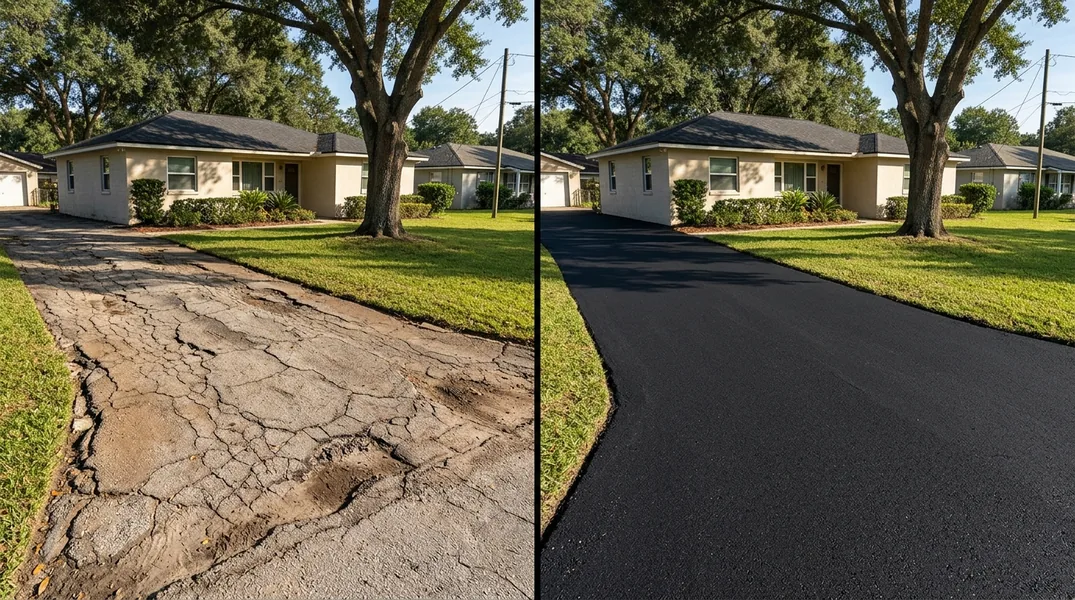
Do You Need a Permit to Pave Your Driveway in Jacksonville?
One of the most common questions homeowners ask when planning Asphalt Driveway Paving & Installation is whether they need a permit. The short answer is: it depends on your specific situation and location within the Jacksonville area. In Duval County, permit requirements vary based on the scope of your project. If you're simply repaving an existing driveway with the same dimensions and materials, you may not need a permit. However, if you're expanding your driveway, changing its use, or making significant modifications, a permit is almost certainly required.
St. Johns County has similar but distinct regulations. The key distinction often comes down to whether your project involves any changes to drainage, property lines, or the overall footprint of the driveway. Many homeowners assume that because it's their own property, they can do whatever they want. This misconception has led to costly mistakes, including having to remove newly installed pavement that didn't meet local codes. Before breaking ground on any driveway project, it's essential to check with your local jurisdiction first.
Understanding Driveway Paving Regulations in Duval County
Duval County maintains specific Jacksonville driveway paving regulations that all property owners must follow. These regulations exist to ensure public safety, proper drainage, and compliance with county infrastructure standards. The Duval County Building and Zoning Division oversees most residential driveway permits. Their primary concern is ensuring that driveways don't create drainage problems for neighboring properties and that they meet minimum setback requirements from property lines and right-of-way boundaries.
One critical regulation in Duval County involves the distance your driveway must maintain from the street. Typically, there are minimum setback requirements, and your driveway opening onto a public road must meet specific width standards. Additionally, if your property is in a flood zone, you may face additional requirements regarding elevation and materials. Duval County also requires that driveways be constructed with proper slope for water drainage to prevent pooling. These aren't arbitrary rules; they protect your property and your neighbors' properties from water damage and flooding issues.
St. Johns County Driveway Permit Requirements
St. Johns County has its own set of driveway paving regulations that differ somewhat from Duval County requirements. If you're planning a driveway project in areas like Orange Park or Fleming Island, you'll need to work with St. Johns County's permitting office. St. Johns County generally requires permits for any new driveway construction or significant modifications to existing driveways. Their regulations are particularly strict regarding environmental considerations, as much of St. Johns County sits in sensitive groundwater and wetland areas.
The St. Johns County Environmental Services Division reviews most driveway permits to ensure compliance with stormwater management standards. If your property is near wetlands or in an environmentally sensitive area, expect a more thorough review process. St. Johns County also enforces strict regulations on impervious surface coverage, which means they limit how much of your property can be covered by hard surfaces like asphalt. This is why some property owners in St. Johns County find that they cannot expand their driveways as much as they'd like without special approval. Understanding these local nuances before you start planning your project can save you time, money, and frustration.
Driveway Widening: When You Definitely Need a Permit
Driveway widening is one of the most common projects that requires a permit in both Duval and St. Johns counties. If you're planning to expand your existing driveway to accommodate additional vehicles or improve accessibility, you'll need to obtain a permit before starting work. Widening your driveway is considered a modification to your property's infrastructure, and it affects drainage patterns, stormwater runoff, and potentially your neighbors' properties. Both counties take this seriously and will require you to submit plans showing the new dimensions, materials, and drainage design.
When you apply for a driveway widening permit, expect the review process to take two to four weeks, depending on the complexity of your project and current permit backlogs. You'll likely need to provide a site plan showing your property lines, the proposed new driveway dimensions, and how stormwater will be managed. If your property is in a flood zone or near environmentally sensitive areas, the review may take longer. The good news is that professional asphalt contractors like Jacksonville Asphalt Paving can help you navigate this process. We understand local regulations and can prepare the necessary documentation to streamline your permit application.
Driveway Permit Cost in Jacksonville: What to Budget
Permit costs for driveway projects in Jacksonville vary based on the scope of work and your specific location within Duval or St. Johns County. For simple driveway repaving projects where no expansion is involved, Duval County permit fees typically range from $50 to $150. However, if you're doing any widening or new construction, expect to pay more. Driveway widening permits can cost $200 to $500 or more, depending on the additional square footage and whether environmental review is required. St. Johns County permits tend to be slightly more expensive, particularly if your property is in an environmentally sensitive area, where permit fees can exceed $500.
Beyond the permit fee itself, you should budget for any professional services needed to prepare your permit application. If you hire a surveyor to establish property lines or an engineer to design drainage solutions, these costs can add $300 to $1,000 to your overall project budget. When you contact Jacksonville Asphalt Paving for a free estimate, we can provide guidance on what permits you'll likely need and help you understand the total project cost, including permit fees. It's always better to factor in permit costs upfront rather than face delays and additional expenses later. Visit our pricing page or call us at (904) 569-5441 to discuss your specific project.
How to Check With Duval and St. Johns County Before Starting Your Project
The best way to determine whether you need a permit is to contact your county's building and zoning department directly. For Duval County residents, reach out to the Duval County Building and Zoning Division. For St. Johns County, contact the St. Johns County Environmental Services Division or Building Department. When you call, have your property address ready and be prepared to describe your project in detail. A quick phone call can often answer your permit question within minutes and save you from costly mistakes.
You can also visit your county's website to access permit applications and requirements online. Many counties now offer online permit status tracking, which makes it easier to monitor your application progress. If the process seems overwhelming, Jacksonville Asphalt Paving can help guide you through it. We've completed hundreds of driveway projects in the Jacksonville area and understand both Duval and St. Johns County requirements thoroughly. Whether you need Asphalt Driveway Paving & Installation or Driveway Repair, we can coordinate with your county and ensure everything meets local codes. Call us at (904) 569-5441 or contact us online for a consultation about your driveway project today.
Looking for a professional asphalt paving contractor in Jacksonville? Jacksonville Asphalt Paving responds fast for all your asphalt paving needs.
Get a Free Quote